Showing posts with label Helsinki. Show all posts

Sunday, September 02, 2012

Helsinki - sightseeing and boat tour

The conference is over, so today was a day off and I had a closer look at Helsinki. I passed St. John's church, a Lutheran church, which at that moment held mass, so I couldn't see the inside.

 
I passed Atlas (?) holding not the celestial sphere, but a balcony
 
 
and, as you all know, Hercules took over Atlas' job, so Atlas could help him get the golden apples from Hera's garden:


Then I went back to the National Museum since last time I had no time to visit the Finnish Sami folk section. I loved the 'grandmother' clock :)
 

A shaman's grave with magic drum, but also a Christian cross:


A fashionable handbag made from a waterfowl foot


If you need to buy wedding rings, why not consider some rings made from svan's trachea; eco-sensitive, natural materials, fashionable, and endurable - although not exactly suitable for vegetarians:
 
 
On the way back to the city centre I ran over some art (which is not too difficult in Helsinki). Some art is outdoors:


Others is indoors:


There inevitably comes a time when you get hungry (especially if you missed the breakfast time at the hotel). Finland is about as bad for vegans as Germany. In the city centre there are only two vegan coffee shops/bistros and only one is open on Sundays. So I went to Vegemesta which is an all vegetarian fast food restaurant and has some vegan options. It had a bit of a rancid smell about it and the tiny place looked a bit scruffy, but you can't be picky in Helsinki and the hot dog with sweet potato fries I had were yummy enough :)


Well fed, I went to the harbour and made a boat tour (the 'beautiful canal route') through the many islands that lie before Helsinki.


Where there are beaches, there are also little saunas lining the beach; this is one of the larger ones:
 
 
Some islands are connected to the mainland via bridges, others are not and the inhabitants need boats ... or even better a waterplane:
 
 
A small channel with a traffic light:


The summer residence of Helsinki's fleet of icebreakers:
 
 
Towards evening it got cold and windy on the boat and a warm pulla (cardamom bun) with coffee saved me from freezing:
 
 
After being back it quickly became dark and I will have to end my Helsinki tour with a look at the central railway station; here you can see the 'Stone Men' by Emil Wikström, erected 1914. 
 
 
And a last look at the cathedral:


Saturday, September 01, 2012

Helsinki - Last Conference Day and Aida

I think you had enough archaeology yesterday, so I don't want to bother you with any more of it. I just want to add that you can not only learn something about archaeology on such conferences, but also general skills, like making attractive posters:


or effectively presenting them:
 
 
...NOT.

Since the Unicafé was closed today we went to the harbour and had some food at one of the market stalls ... nearly vegan. Fried veggies and potatoes with garlic mayonaise:

 
After all this archaeology I think I deserved some culture, so off I went to the Finnish National Opera. I had a ticket for Verdi's Aida.
 
The opera house is very modern, with costumes from previous productions all over the place:


The National Opera's web page describes their Aida in the following way:
 
Verdi's Aida is a magnificent and spectacular grand opera but also a sensitive and intimate tale of the forbidden love of an Egyptian military commander and an Ethiopian slave.
 
The poor guy is torn between an ageing Egyptian princess and an Ethiopian princess taken prisoner in an even worse state (in the text Rhadames says that Aida is "in the flower of youth"). Claire Rutter who performed as Aida keeps her age a web secret, but the unflattering costume lets us guess her age at around fifty. Where is the young generation of singers and why can't they take the roles of young people in an opera??? Here you can see the 'young' women fighting for their man (all photos are from the official Facebook site of the National Opera):

https://www.facebook.com/ooppera
"The Finnish National Opera brings one of the best-known works in the opera repertoire to the stage in a stylish fashion."

Yes, stylish indeed. It breaths the decadent atmosphere of the 1920s and the zenana had more similarities with a nightclub. Toyboys with transparent overalls, lesbians, you get it.

"Director Georg Rootering and his team have retained the original story, but they also wanted to highlight the universal nature of the narrative."

Which is: decadent societies are also likely to commit atrocities and war crimes? At least I hope that all the scenes of raping done by the victorious soldiers must have been there for a reason. And all the prisoners in Guantanamo outfit were obviously the desperate bid to make the opera topical for our time ... I guess.

Here is Rhadames "young in years" all lovey-dovey

https://www.facebook.com/ooppera

 
The only thing I still don't get, is: why did Rhadames start strangling his love objects every now and then? Maybe someone can help out...

https://www.facebook.com/ooppera
 
To make things even I have to add that the music was good, lovely harp in the orchestra, the singing was in general good, too, and the wine during the break was equally nice. 


Friday, August 31, 2012

Helsinki - talks, talks, talks


Today there was no time to visit anything; talks from morning till late.

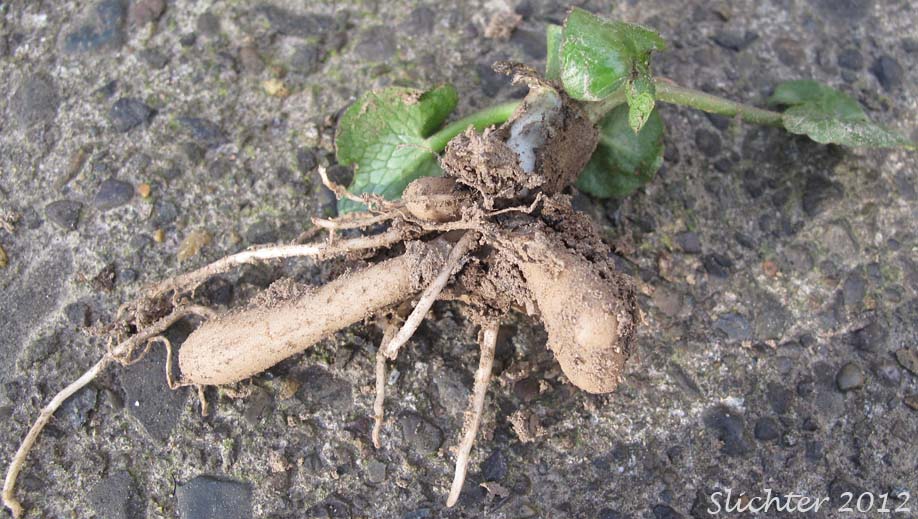
At first I had a session on the 'role of plants in paleonutritional reassessment' which was quite interesting, especially the recently discovered underwater site of Amsterdam-Yangtzehaven. The site which is 20 m below water level still gave up lots of information about plant food in the Mesolithic. From charred acorn over club rush to prepared celandine tubers (buttercup), a lot of wild plants were used for food in the Mesolithic.

http://science.halleyhosting.com/nature/plants/5petal/butter/ranunculus/ficaria.html
The second session was about circumpolar rock art and somehow taken over by shamans. Still, I didn't know too much about Canadian rock art so it was quite interesting to see some examples from the New World. This is the site of Qajartalik, Quebec which was made by the Dorset culture (2500 BC to AD 500):
 
http://www.nunatsiaqonline.ca/pub/photos/354-1.va_large_.jpe_.jpeg
Time for lunch with the unicafé's vegan choice of a wrap,  a vegetable chili, brown rice and a soy-yogurt sauce:
 
 
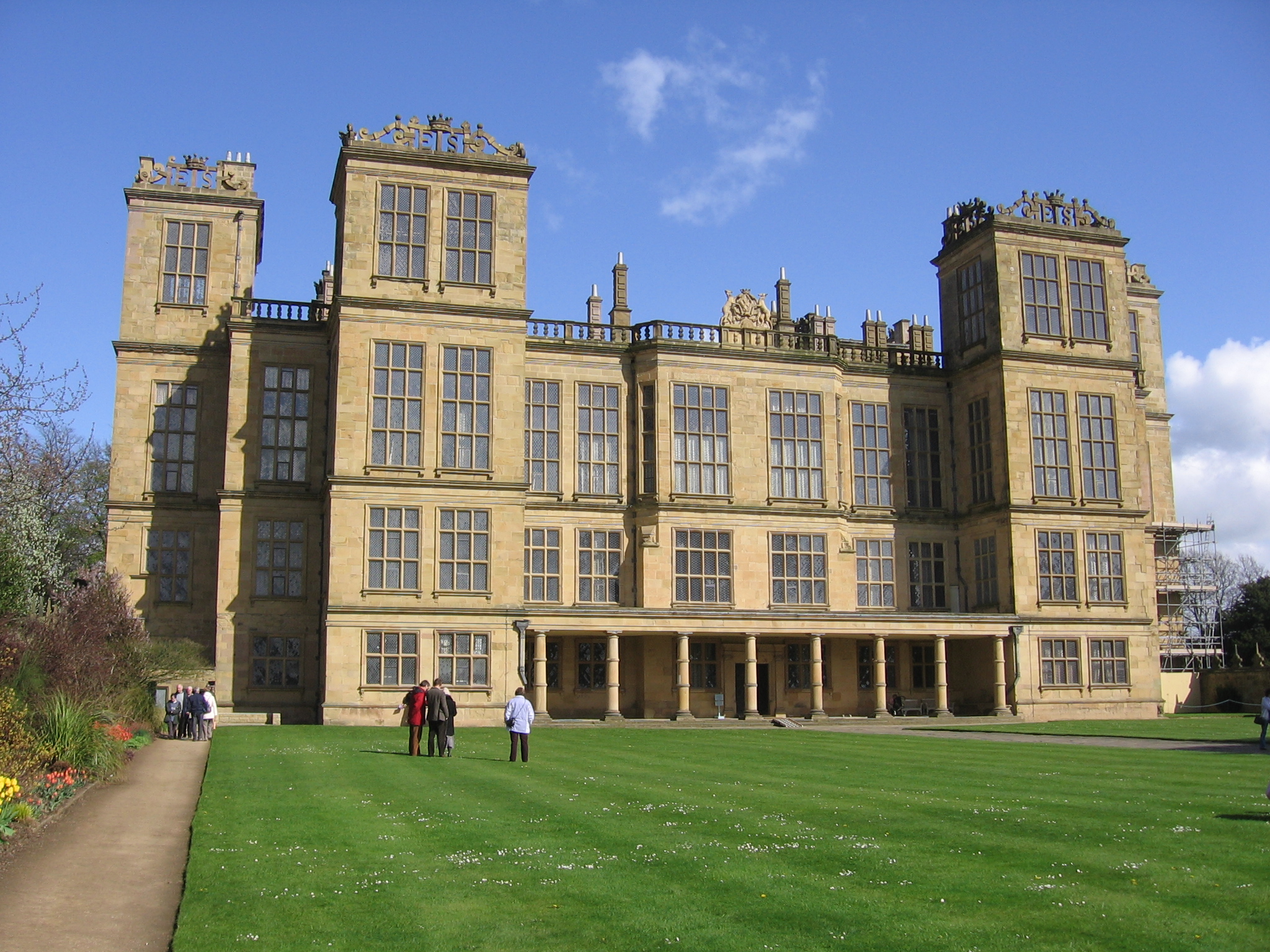
In the afternoon I ended up in the climate archaeology section where climatologists were mocking archaeologists for not having a deeper appreciation of their art and still had typologies based on pottery. Some nice talks with an interesting one by Gunhild Eriksdotter about the Little Ice Age and its impact on indoor climate and living comfort. Although working in historical archaeology her findings were interesting and easily transferable into prehistory. Hardwick Hall, a stately manor in England for example had so much windows that it would have been really cold in winter, let alone during the Little Ice Age. But she showed how people could show off with their manors and still live relatively comforting. Bess of Hardwick, who had the manor built moved her smaller sized sleeping rooms to the south side with few windows and had 8 (!) carpets on the floor. So the cold rooms were more or less just for receptions and kitchens.
http://upload.wikimedia.org/wikipedia/commons/0/08/Hardwick_Hall_in_Doe_Lea_-_Derbyshire.jpg
 
http://studydroid.net/imageCards/0g/3f/card-16891318-front.jpg
 
See her small sleeping chamber in the back? By the way, Hardwick Hall's facade was used for the exterior scenes for Malfoy Manor in Harry Potter 1 and 2.
 
http://harrypotter.wikia.com/wiki/Malfoy_Manor

 
The last session for today was about 'animal agency'; a lot of criticism against raising animals as capital came through and some carefully softened voices for animal rights. But in general they kept to the archaeological side of it. Kristin Armstrong Oma presented a nice paper (based on her article in the World Archaeology - if you are by any chance an archaeologist, you might want to read it here).
 
Her talk was about the social interaction between sheep, dog, and man in the Bronze Age when sheep farming intensified because wool was extensively used for textiles and how new husbandry practises evolved that changed not only landscape (grazing areas) and technology but also house architecture (from a two-aisled house -upper illustration- in the Neolithic to a three-aisled house in the Early Bronze Age -lower illustration) to allow animals to be stocked in the house.
 
taken from: www.niku.no/filestore/Publikasjoner/NIKUTemahefte30.pdf
 
A nice rock art scene of a shepherd and his dog herding a flock of sheep illustrated her theory that the shared living also built a source of trust which made it easier to handle the sheep.
 
Rock art scene from Valhaug 1, Rogaland Norway
K. Armstrong Oma 2010, plate 2


Thursday, August 30, 2012

Helsinki - National Museum

I spent the morning with talks concerning the Michelsberg Culture, an important Central European Neolithic culture. The talks from French and German researchers were mostly about territoriality, enclosures, houses, but the most interesting ones were about salt exploitation in Germany (Olivier Weller) and Michelsberg along the Rhine and Main (Detlef Gronenborn).

For lunch I went to the Unicafé in the Porthania building and I was not disappointed: a vegan lunch option! Getting vegan food is difficult in Helsinki, cheese and milk products are everywhere. So I really enjoyed my beet steaks (Punajuuripihvit) with potatoes and soy-yogurt sauce:

 
After lunch I went to the National Museum to have a look at the Prehistoric section.
 
 
So beautiful! I just have to show you an object ... or two ... you know what I mean ...
 
A cupmarked stone from Häme, Kalvola in Southern Finland. Probably Iron Age:


 Figure and axe head in animal form; mostly elks but these ones are lovely bears (from Antrea)

 
Clay figurine, Jettböle site (pitted ware culture)


Waist ornament from Viking dress, Humikkala, Masku. Made separately from wired beads and sewn onto the dress:

 
And here are Viking dress replicas with similar ornaments on the apron of the woman's dress (Euran Luistarihauta, grave 56, ca. AD 900):


After the museum I went to the market square in front of the harbour; berries abundant:
 
 
And of course it is the mushroom season!


Someone tried the Finnish pancakes called 'lettu':


A bird brawl at the harbour:

 
Not far from the harbour is also the Orthodox Uspenski Cathedral from the 19th century:
 
 
I think this island is the World Heritage Site Suomenlinna; if I have time left I will go there and then know for sure :)


Strange looking flower hives:

 
In the evening there was a free chamber concert in the Cathedral Crypt; it came with an art exhibition featuring art work from Nelly Jurvelius:


The musicians consisted of four young artists, Pekko pulakka on a Silvestre violin from 1843, Sauli Kulmala on a Maussiell viola from 1722, Samit Junnona (flute), and Anna Vaahtoranta (piano) whom you can see on the photo here:


What a long day, and tomorrow talks start at half past eight. They are crazy, these Finns :)